
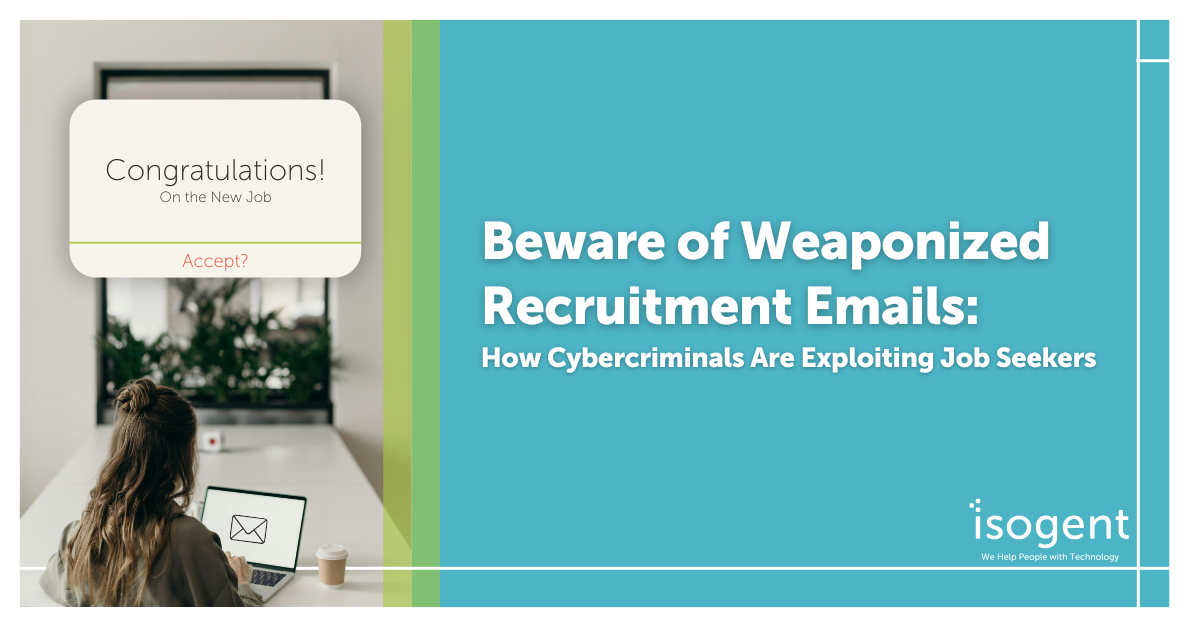
Cybercriminals are getting more creative in their methods, and one of the latest tactics they’ve adopted is using job recruitment emails to distribute malware. In a sophisticated campaign uncovered by cybersecurity researchers, attackers are impersonating recruitment professionals to deliver dangerous malware payloads, specifically BeaverTail and Tropidoor, to unsuspecting job seekers. This campaign highlights the growing trend of cybercriminals exploiting job seekers’ eagerness to explore potential opportunities.
The Attack: A Closer Look
On November 29, 2024, security researchers found that attackers were impersonating Dev.to, a popular developer community platform, to distribute malicious code hidden within project files shared via BitBucket links. This malicious package contains two primary components: BeaverTail and Tropidoor.
-
BeaverTail: A JavaScript-based malware disguised as a legitimate “tailwind.config.js” configuration file.
-
car.dll: A downloader component used to retrieve additional payloads.
Once executed, these components work in tandem to steal sensitive information from infected systems and create a backdoor for future attacks. The attackers specifically target web browser credentials and cryptocurrency wallet data, aiming for both immediate financial gain and long-term system compromise.
How the Attack Works
BeaverTail is predominantly distributed through phishing emails that masquerade as job offers. Previous campaigns have targeted LinkedIn users, indicating a strategic effort to leverage platforms with a high number of professional interactions.
The malware is obfuscated, making detection difficult, and uses legitimate Windows tools such as PowerShell and rundll32 to execute its payloads. This method, known as “living off the land,” allows the malware to blend in with normal system operations and complicate detection efforts.
Who’s Behind It?
While many of these attacks originate overseas, including notable infections in South Korea, evidence points to North Korean threat actors, specifically the Lazarus group. This group has been linked to several sophisticated campaigns, with tactics and infrastructure matching those used in previous attacks attributed to them.
The malware uses encryption and obfuscation to communicate with command-and-control servers, enhancing its persistence and ability to avoid detection.
How It Works: The Infection Mechanism
The infection begins when victims receive seemingly legitimate recruitment emails that contain links to code repositories for review. Once the victim accesses the repository, they find what appears to be a standard web development project. However, embedded within the files is the tailwind.config.js file, which contains obfuscated JavaScript that executes the car.dll payload through PowerShell.
Once activated, the malware connects to its command-and-control server via encrypted channels. The backdoor, Tropidoor, uses a secure method to collect system information and awaits further instructions through a structured URL format. Tropidoor supports over 20 different commands, including file manipulation, screenshot capture, and process injection.
Best Practices to Avoid Becoming a Victim
To avoid falling victim to this type of attack, users should:
-
Verify the legitimacy of recruitment emails: Always ensure that unsolicited job offers are verified through official channels.
-
Be cautious with code repositories: Avoid clicking on links to code repositories from untrusted sources, especially if they are part of job offer communications.
-
Stay updated: Keep your software and security systems up to date to defend against vulnerabilities.
-
Educate employees and teams: Regular cybersecurity training on recognizing phishing emails and handling suspicious links can help prevent such attacks.
Conclusion
As cybercriminals continue to evolve their tactics, it is essential to remain vigilant against increasingly sophisticated phishing schemes. The attack involving BeaverTail and Tropidoor highlights the need for enhanced cybersecurity measures and education, especially for businesses and individuals handling sensitive data. At Isogent, we help businesses navigate these evolving threats by providing cutting-edge cybersecurity solutions tailored to your needs. We also offer training and systems to protect against such attacks—keeping your data secure and your operations safe from malicious actors.
For more on these threats and how to safeguard your business, feel free to get in touch with us.
Sources:
